Refill, Reuse, Repeat: Cleaner Homes, Lighter Footprints Across the UK

Today we dive into refillable household cleaning products in the United Kingdom, highlighting UK brands and bottle return programs that replace throwaway plastic with durable containers, concentrates, and closed-loop logistics. Expect practical tips, honest product observations, and stories from refill shops and households determined to clean effectively while spending less, wasting less, and building everyday habits that feel modern, simple, and genuinely satisfying.

How the Circular Cleaning Movement Works Day to Day

Refillable cleaning relies on durable bottles, concentrated formulas, and reliable places to top up without buying new plastic every time. Some households dilute concentrates at home, others visit refill stations, while certain brands collect empties for professional washing. Understanding containers, dosing, safety labels, and product compatibility ensures a clean home without confusion, waste, or extra costs, while keeping routines familiar enough that everyone in the household can easily participate and stay committed.

UK Brands Leading the Shift to Refillable Cleaning

{{SECTION_SUBTITLE}}

Ecover, Bio-D, and Faith In Nature in Community Refill Stations

Independent zero-waste shops and select retailers commonly stock bulk containers from Ecover, Bio-D, and Faith In Nature, enabling customers to top up washing-up liquid, laundry detergents, and surface cleaners. Staff help with weighing and labeling, while customers appreciate familiar performance and fragrances. Bulk formats reduce per-use plastic dramatically, and many stations share practical dilution tips. These brands also publish ingredient policies, giving confident clarity for sensitive skin, septic systems, and fragrance preferences.

Fill Refill Co and Miniml’s Closed-Loop Confidence

Fill Refill Co and Miniml run robust closed-loop models supplying homes and businesses. Containers are designed to come back, be industrially cleaned, then refilled, minimizing waste at every stage. Miniml, in particular, highlights consumer bottle returns through partner shops and direct programs, while Fill Refill Co provides attractive minimalist containers and bulk options. The reassuring part is traceability: packaging isn’t a mystery bin item but a tracked asset cycling reliably through many lifetimes.

Bottle Return and Take-Back Programs Made Simple

Returnable packaging succeeds when the journey is effortless: you hand back a sturdy container, it’s professionally cleaned, refilled, and reissued. In the UK, programs from Miniml and various refill suppliers demonstrate how closed-loop logistics reduce confusion. Past supermarket pilots, such as Loop’s collaboration, showed strong interest even if timelines shifted. Key considerations include deposits, hygiene certifications, clear drop-off points, and reliable communication that assures households their containers truly complete multiple safe, documented cycles.

Refilling at Home Without the Hassle

Success at home depends on convenience and clarity. Keep durable bottles, a small funnel, labels, and measuring marks within reach. Store concentrates away from children and pets, and note dilution ratios on each bottle. A five-minute monthly ritual—top up, wipe labels, reorder—removes panic purchases. By simplifying the process, you make refilling instinctive, elevating consistency and ensuring every room stays stocked with safe, effective cleaners ready for daily messes and seasonal deep cleans alike.

01

A Starter Kit That Actually Gets Used

Choose one high-quality trigger sprayer for multi-surface, one foam pump for bathrooms, and one squeezy bottle for washing-up liquid. Add a tiny measuring cup, permanent marker, and waterproof labels. Start with two concentrates you’ll use weekly, proving reliability first. Celebrate the first successful refill by noting plastic avoided and pennies saved, building momentum for adopting laundry and floor cleaners later rather than overwhelming yourself with too many changes at once.

02

Storage, Dilution, and Everyday Safety

Store concentrates upright in a cool cupboard, separated from food. Mark bottles with clear dilution ratios, batch dates, and product names to prevent confusion. Rinse funnels and caps after each use to avoid residue buildup. Keep child-safe locks where appropriate, and educate older kids about labels and proper dilutions. Familiar routines—refill Saturday, label check monthly—transform safety from a chore into a calm, repeatable habit that keeps your system tidy and trustworthy.

03

Troubleshooting Streaks, Residue, or Lingering Odors

If glass streaks, switch to distilled water or tweak dilution slightly. For soap scum, increase contact time and use a separate microfibre cloth. Residue often indicates over-concentration or hard water interaction; adjust ratios or try a rinse pass. Persistent odors might mean cloths need deeper laundering. Keep a quick log of what worked where. Small, data-informed tweaks preserve confidence in refillables, ensuring quality rivals or exceeds your previous off-the-shelf favorites.

Refill Shops, Supermarkets, and Community Hubs
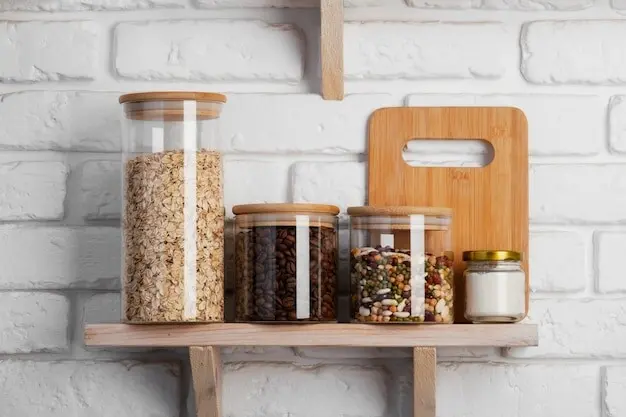
Across UK high streets, independent zero-waste shops and eco-minded grocers host refill stations for dish soap, laundry liquids, and surface sprays. Some community groups organize pop-up refill events in village halls. Supermarkets periodically test bulk or concentrate formats, while wholesalers supply schools and offices seeking simpler, low-waste routines. These options build social proof: when neighbors refill visibly and share tips, newcomers feel welcome, informed, and eager to trial a bottle or two.

Finding Reliable Stations and Mobile Refills
Search local directories, community groups, and brand maps to locate dependable refill points. Many stores post tank sizes, product lists, and opening hours on social media. Mobile refill vans now serve markets and business parks, making top-ups part of ordinary errands. Ask about loyalty stamps, bring a scale-friendly bottle, and photograph labels for future reference. Seeing familiar faces and consistent stock quickly turns refilling into an easy, friendly ritual worth repeating.

What to Bring, How to Weigh, and Paying Fairly

Bring clean, dry bottles with readable volume markings or ask for help taring the container weight. Staff typically subtract the bottle’s mass, then charge only for liquid added. Keep caps handy to avoid spills, and label immediately with product name and dilution details. Paying by weight feels transparent and often cheaper per use, especially for frequently used items like dish soap and laundry liquid, which refill brilliantly without compromising washing performance.

Measuring Impact and Staying Motivated Over Time
Momentum builds when you can see results. Track bottles avoided, money saved, and ounces of concentrate used. Many brands share lifecycle insights or publish ingredient transparency pages. Household logs or fridge charts help families celebrate milestones, while community groups swap product tips and return reminders. When performance equals or betters conventional options, the refill route becomes a proud default—clean counters, clear conscience, and a budget that thanks you every single month.
Narizunolaxizori
Privacy Overview

This website uses cookies so that we can provide you with the best user experience possible. Cookie information is stored in your browser and performs functions such as recognising you when you return to our website and helping our team to understand which sections of the website you find most interesting and useful.